02Topic
Maintenance & Quality
How Japanese plants run maintenance, safety, and quality routines.
46 guidesShowing 13–24
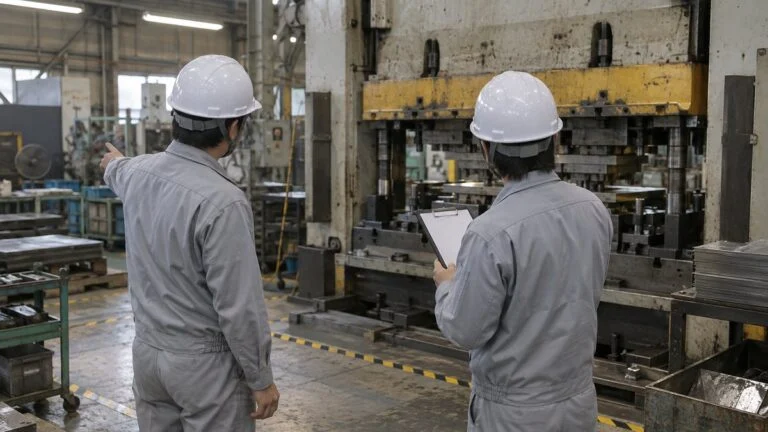 Maintenance & QualityRisk Assessment in Japanese Plants vs. JHA, HSE, ISO 12100How Japanese plants run risk assessment under MHLW's guideline: six steps, the 4x4 matrix, and order of measures, compared with JHA, HSE, and ISO 12100.Oct 22, 2026
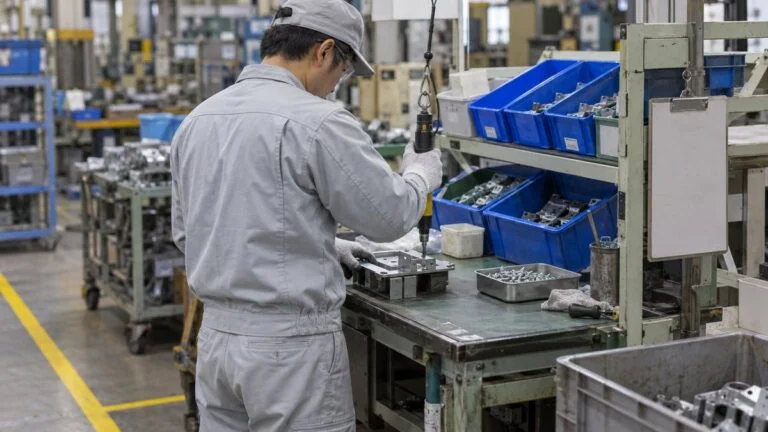 Maintenance & QualityStandardized Work Instructions: Sagyo Hyojunsho TemplateWhy work instructions go unused, how sagyo hyojunsho differs from standard work, and a step / key point / reason work instruction template you can copy.Oct 22, 2026
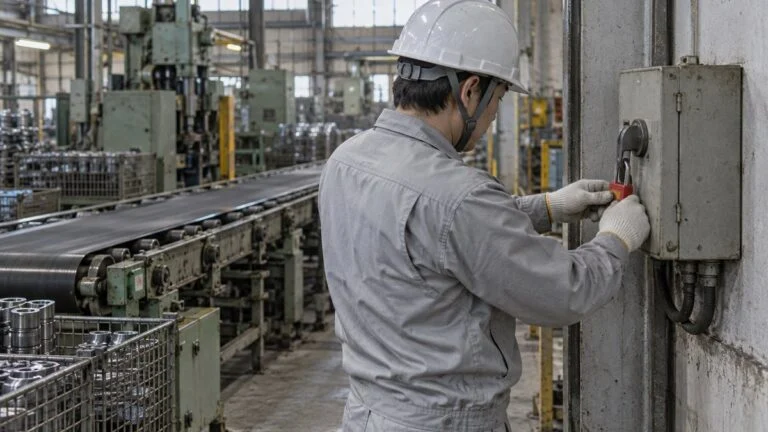 Maintenance & QualityLockout/Tagout in Japan: Japanese Law vs. OSHA 1910.147LOTO in Japanese plants: Ordinance Articles 107 and 339 vs. OSHA 1910.147, the six steps, group lockout, and a checklist for Japanese-owned sites.Oct 22, 2026
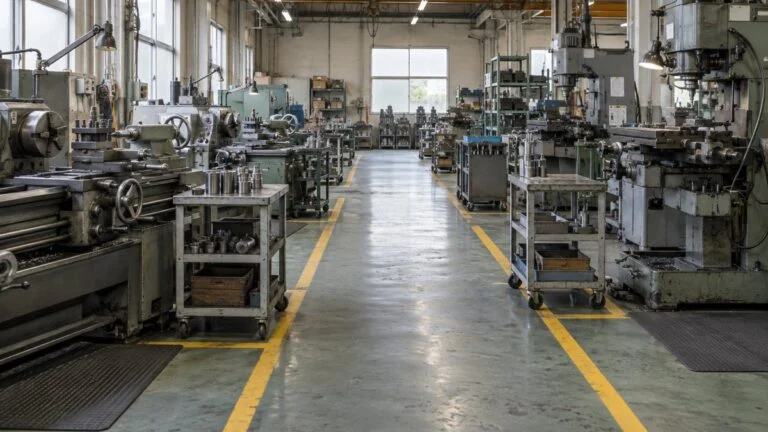 Maintenance & QualityWhy 5S Doesn’t Stick: Causes, Fixes, and the Japanese TermsLearn what seiri, seiton, seiso, seiketsu, and shitsuke mean, why 5S fails to stick, and how to fix rules, audits, and manager support so it lasts.Oct 22, 2026
 Maintenance & QualityOEE and the 7 Big Losses vs. Six Big Losses in TPMWhy OEE stalls, how Japan's 7 big losses (JIS Z 8141) differ from the Six Big Losses, a worked example, and a checklist for Japanese plants.Oct 22, 2026
 Maintenance & QualityQCDSE Manufacturing KPIs: Formulas Japanese Plants UseLearn the QCDSE KPI set in Japanese plant reports: formulas for first pass yield, ppm, OEE, frequency and severity rates, energy intensity, and targets.Oct 22, 2026
 Maintenance & QualityPoka-Yoke Examples and Types From Japanese PlantsSee poka-yoke examples in manufacturing by error type, Shingo's contact, fixed-value, and motion-step methods, a 5-step build process, and a checklist.Oct 22, 2026
 Maintenance & QualitySMED Step by Step: Internal vs. External Setup (Dandori)Learn SMED the way Japanese plants run it: dandori terms, internal vs. external setup, six steps, four ways to cut internal setup, and a checklist.Oct 22, 2026
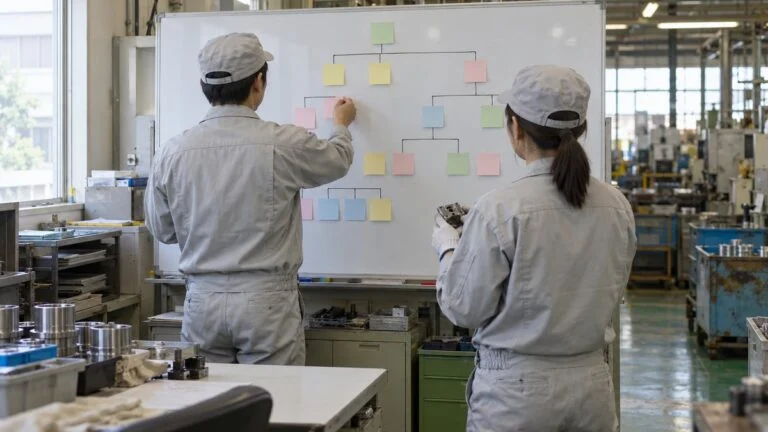 Maintenance & Quality5 Whys Example: Why-Why Analysis Japanese Customers AcceptLearn why-why analysis (5 Whys) as Japanese quality teams run it: 7 steps, a rejected vs. rewritten 5 whys example, six common mistakes, and a checklist.Oct 22, 2026
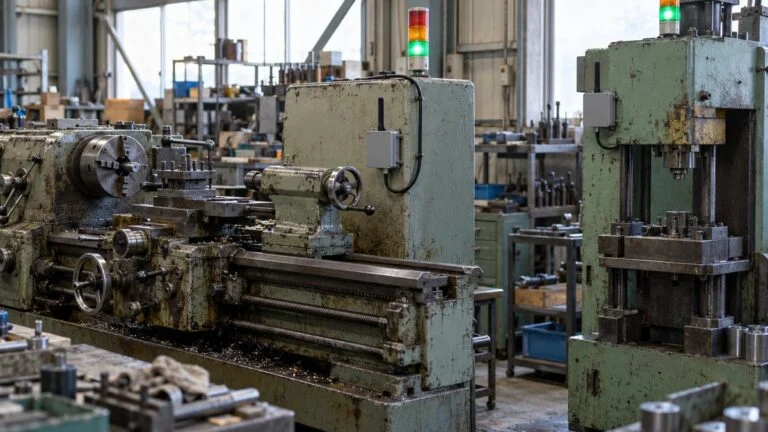 Maintenance & QualityRetrofit Machine Monitoring on Older Japanese MachinesAdd machine monitoring to old machines without replacing them: what data to collect, 7 signal methods, hardware and network, and safety checks.Oct 22, 2026
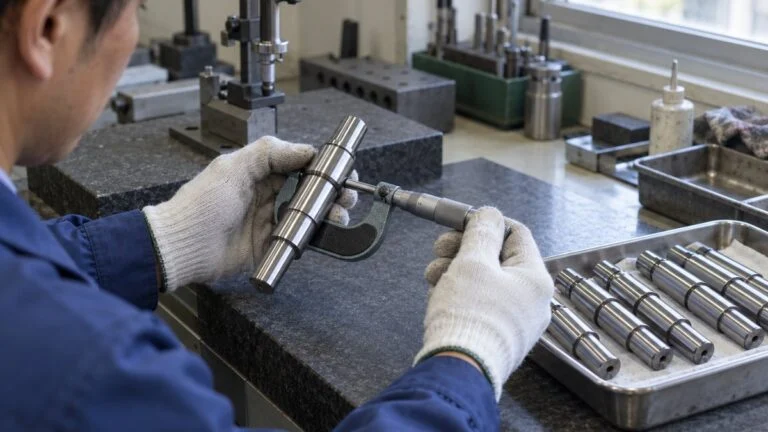 Maintenance & QualityGage R&R Acceptance Criteria: What Japanese Customers ExpectHow to run a Gage R&R study, a worked example, the AIAG 10%/30% and ndc criteria, and what to confirm with Japanese customers before you submit.Oct 22, 2026
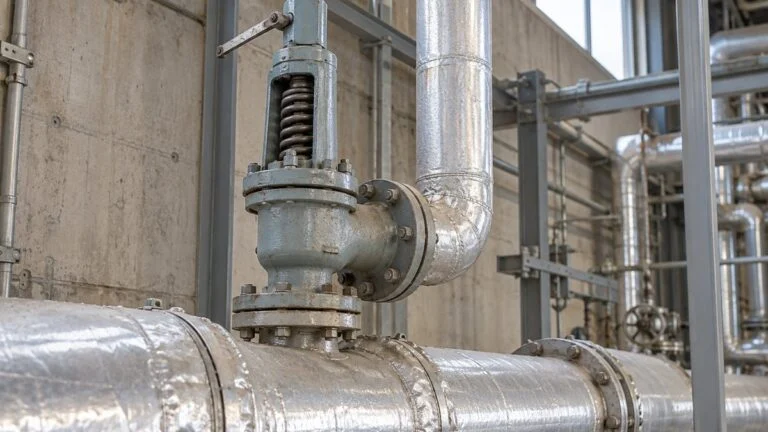 Maintenance & QualityFull-Bore vs Lift-Type Safety Valves: JIS Terms ExplainedLearn what lift type (yotei-shiki) and full bore type (zenryo-shiki) mean on Japanese safety valve datasheets, why capacity differs, and what to check.Oct 22, 2026