01Topic
Drawings & Specs
JIS grades, drawing notes, and the documents Japanese suppliers send.
50 guidesShowing 13–24
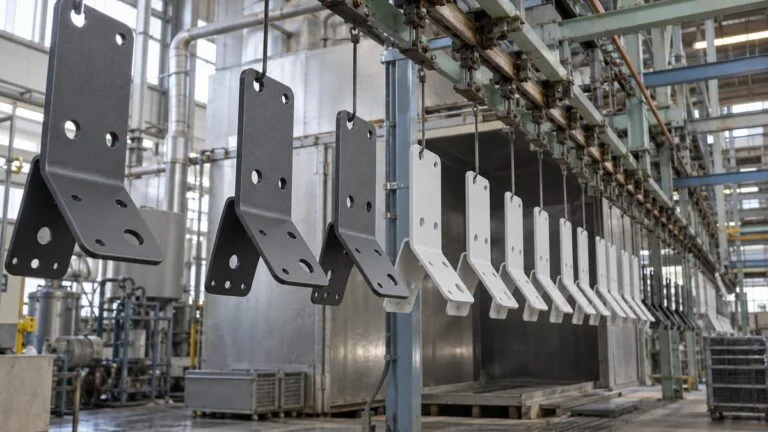 Drawings & SpecsE-Coat vs Powder Coat: Coating Callouts on Japanese DrawingsRead Japanese coating callouts: e-coat vs powder vs solvent paint, film thickness, JPMA and Munsell colors, and JIS K 5600 tests mapped to ISO and ASTM.Oct 22, 2026
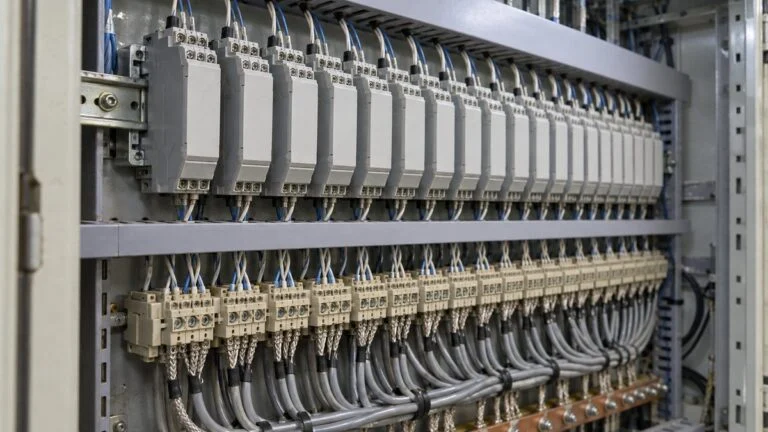 Drawings & Specs4-20 mA vs 1-5 V: Why Japanese Panels Use 250 Ω InputsWhy Japanese panels convert 4-20 mA to 1-5 V with a 250 Ω resistor, 2-wire vs 4-wire loops, how loops are checked, and what to confirm on Japanese specs.Oct 22, 2026
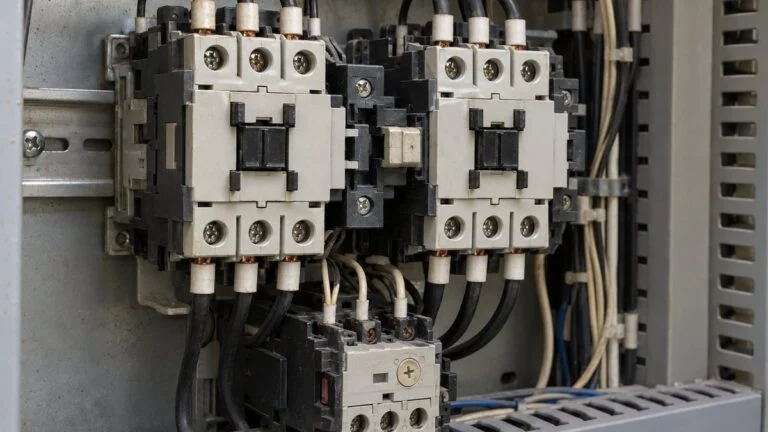 Drawings & SpecsInterlock Circuit Diagrams: How to Read Japanese DrawingsRead interlock circuit and block diagrams from Japanese suppliers: JIS C 0617 vs IEC 60617 symbols, a/b contacts, forward/reverse logic, interlock lists.Oct 22, 2026
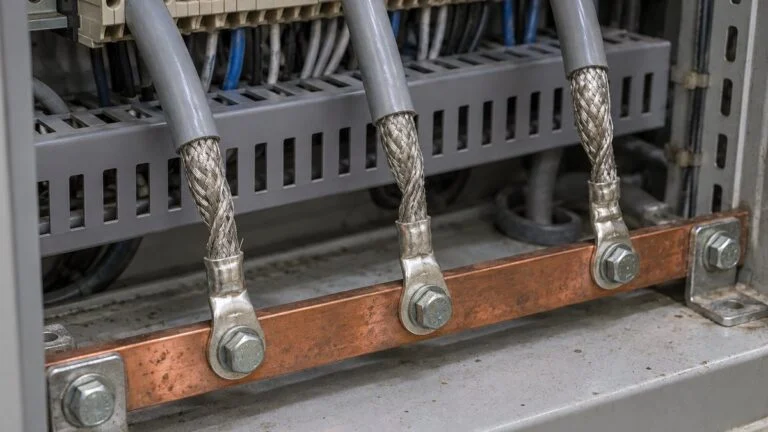 Drawings & SpecsCable Shield Grounding: One End vs Both Ends, Japan SpecsLearn when Japanese drawings ground a cable shield at one end or both, what CVV-S and katagawa setchi mean, and what to confirm with the supplier.Oct 22, 2026
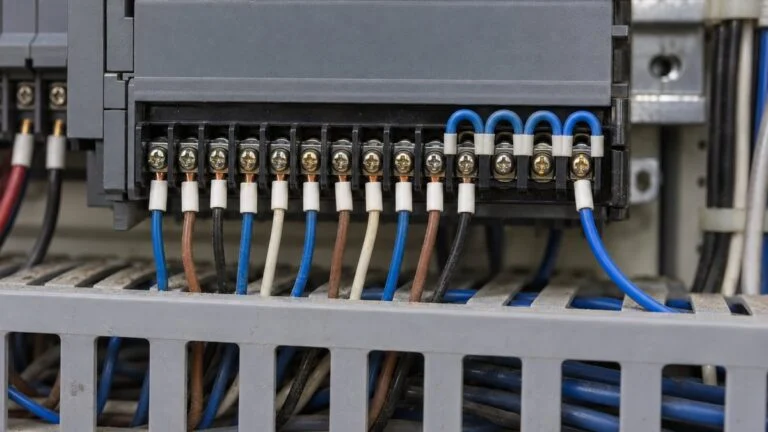 Drawings & SpecsWhat Does COM Mean? Common Terminals on Japanese EquipmentLearn what COM (common) means on Japanese drawings and PLC modules: terminal savings, current per common, sink/source wiring, and when not to share a common.Oct 22, 2026
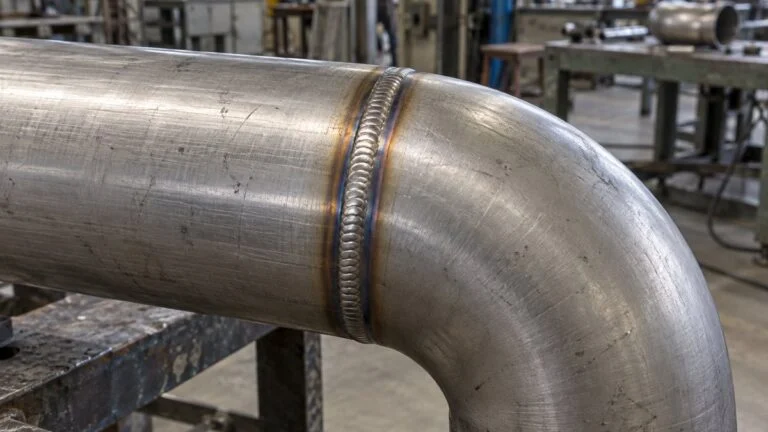 Drawings & SpecsSocket Weld vs Butt Weld: SW/BW on Japanese Piping SpecsLearn what SW and BW mean on Japanese piping specs, why 50A is the usual split, the 1/16 in. socket weld gap, and what to check before ordering valves.Oct 22, 2026
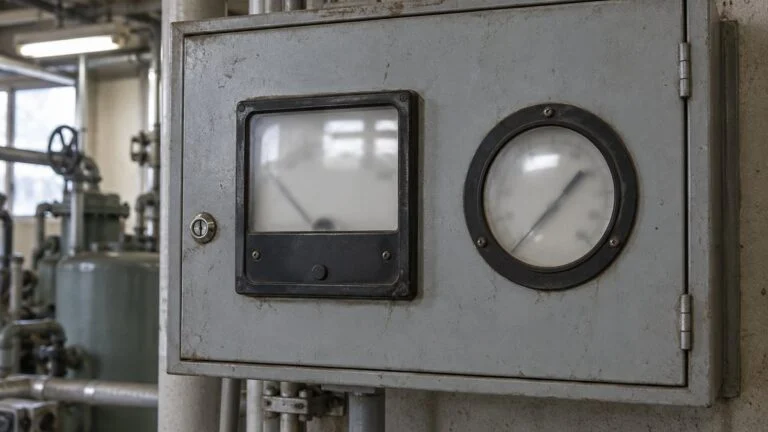 Drawings & Specskcal/h to kW, BTU/h, and Tons: Chart for Japanese SpecsConvert kcal/h on Japanese nameplates to kW, BTU/h, and tons of refrigeration. Formula, charts, US vs Japanese refrigeration ton, and a worked example.Oct 22, 2026
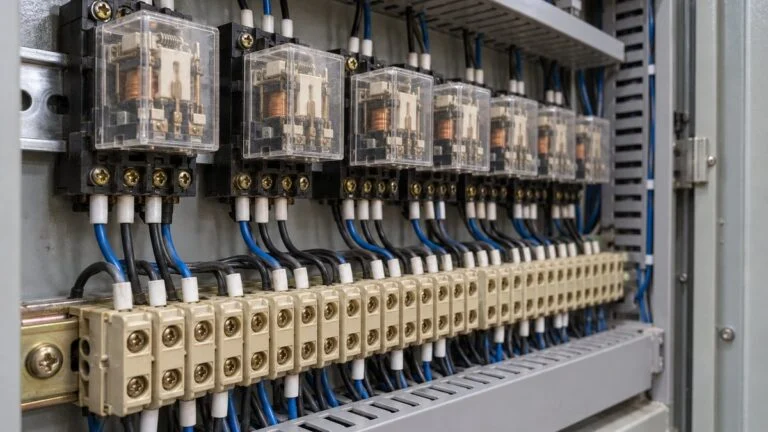 Drawings & SpecsPulse vs Status Signals: Momentary vs Maintained CommandsLearn how pulse and status (level) signals differ, why a pulse run command needs a seal-in circuit, how pulse counting works, and what to match with a DCS.Oct 22, 2026
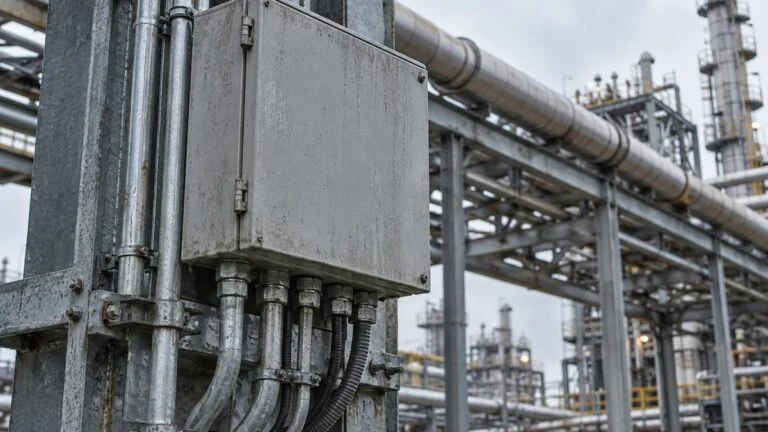 Drawings & SpecsJunction Box (JB) on Japanese Drawings: Terminal Box GuideLearn what JB means on Japanese electrical drawings, how it differs from joint and pull boxes, how to read a terminal list, and what to check for IP and Ex.Oct 22, 2026
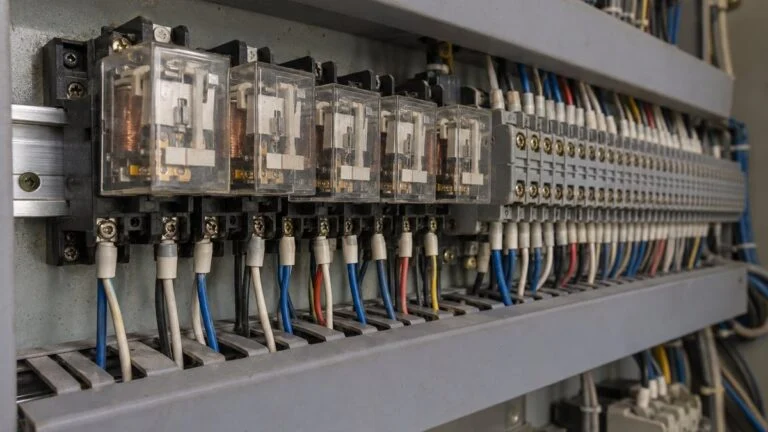 Drawings & SpecsDry Contact vs Wet Contact: Reading Japanese SpecsMudenatsu setten means dry (voltage-free) contact. Compare dry vs. wet contacts, a/b (NO/NC) types, PLC and relay wiring, and what to ask suppliers.Oct 22, 2026
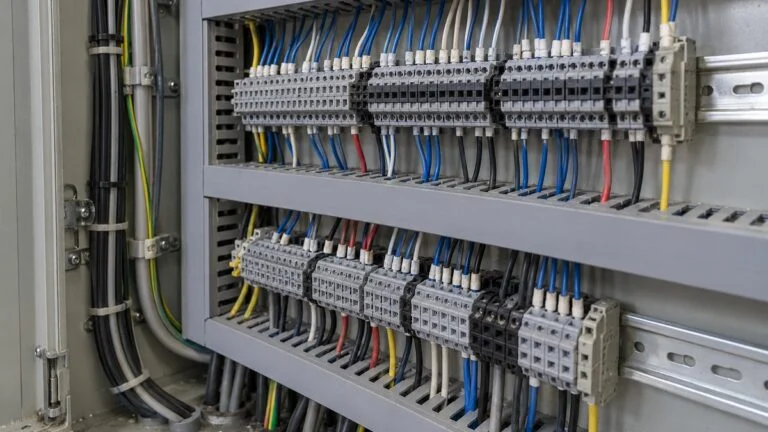 Drawings & SpecsNaisen vs Gaisen: Panel Internal Wiring vs Field WiringNaisen vs gaisen on Japanese control panel drawings: internal wiring vs field wiring, terminal blocks, wire and core numbers, plus a review checklist.Oct 22, 2026
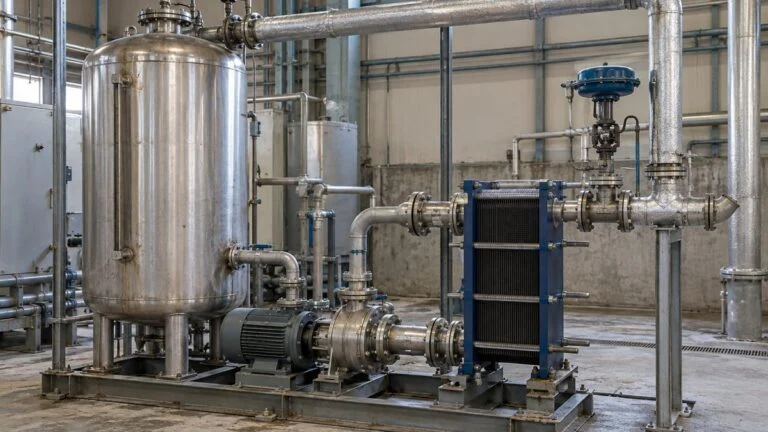 Drawings & SpecsPFD vs P&ID on Japanese Projects: Contents and Drawing OrderLearn the difference between a PFD and a P&ID, JIS Z 8204 vs ISA-5.1 symbols on Japanese drawings, the BFD-PFD-P&ID order, and a review checklist.Oct 22, 2026